

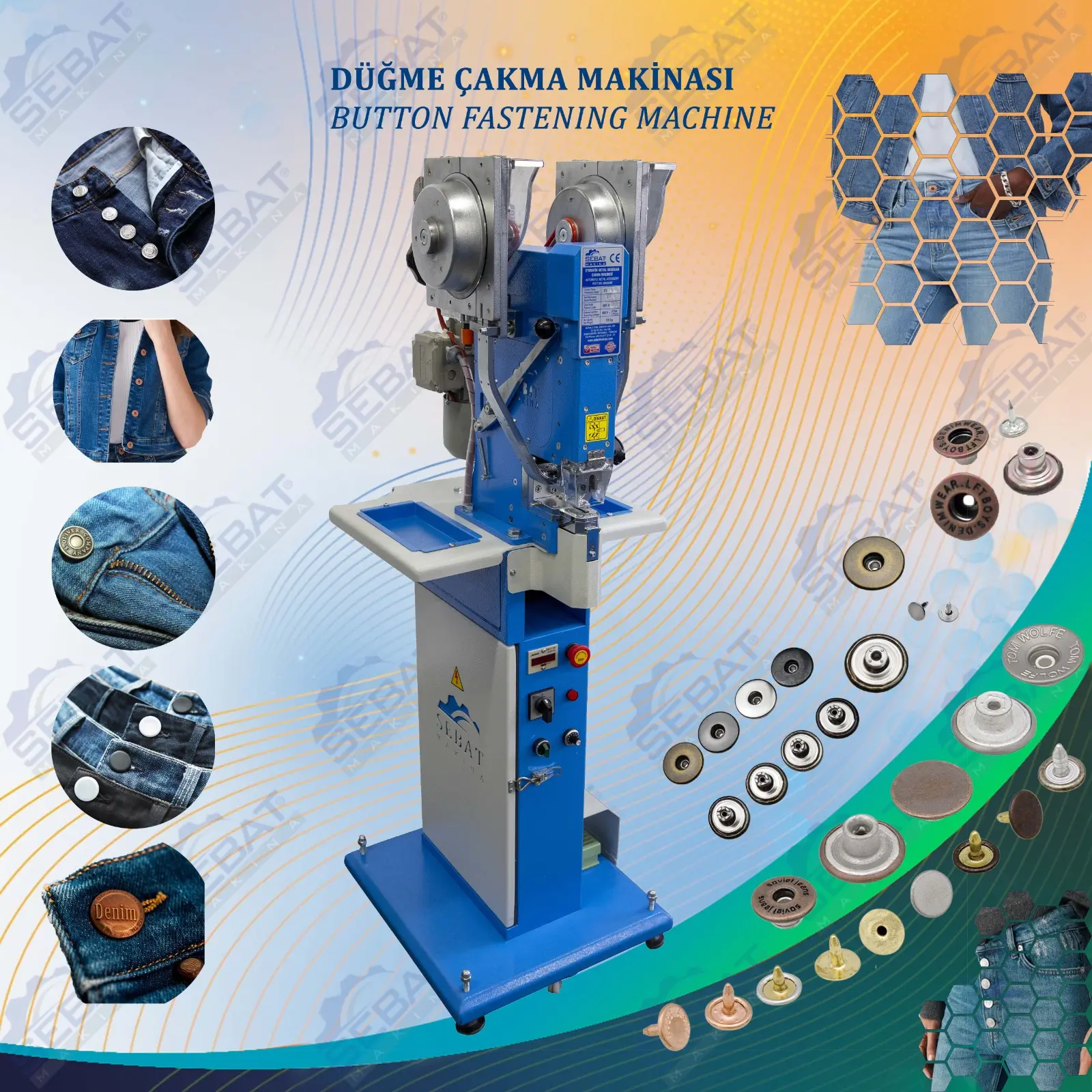
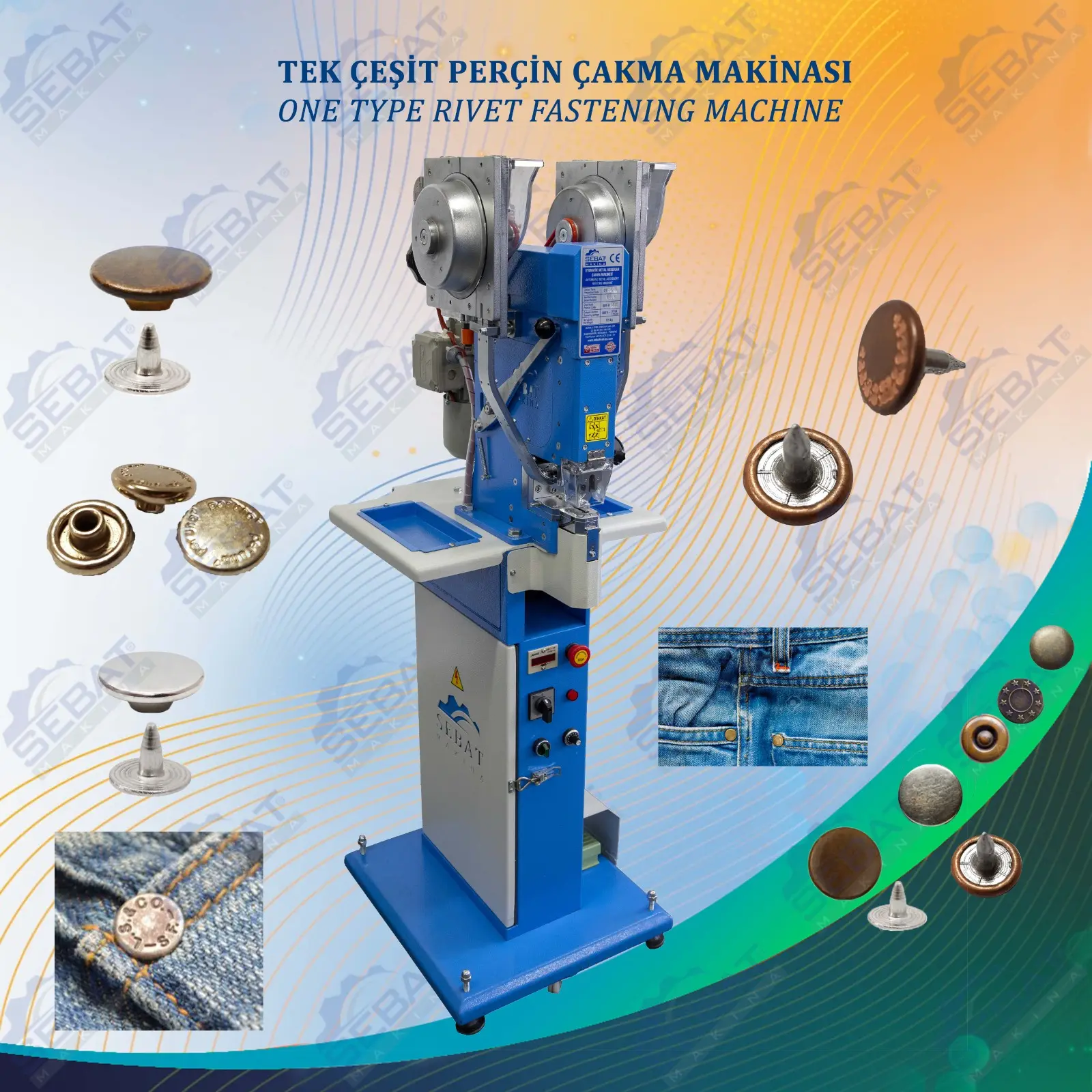
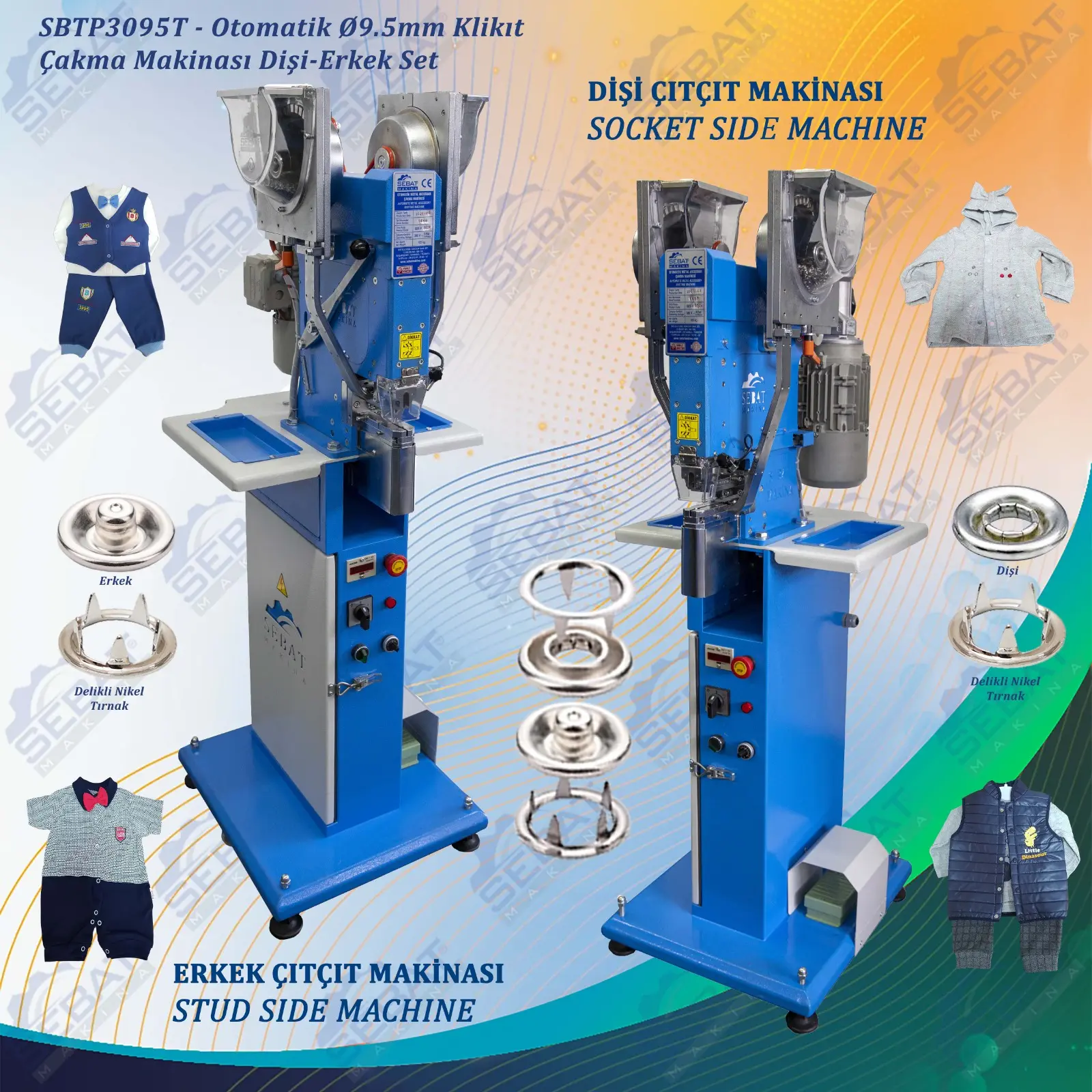


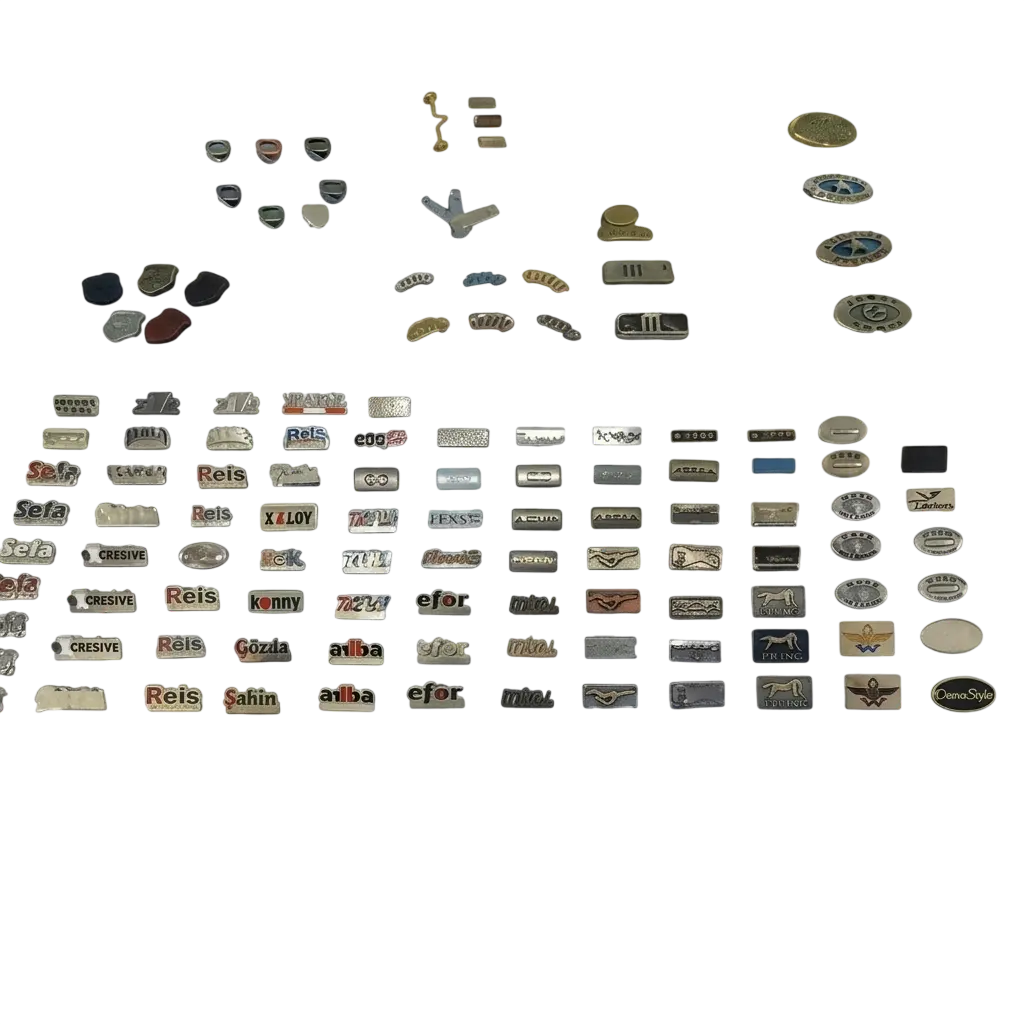





Eyelet products, which stand out as both functional and aesthetic details in the textile and leather industries, are among the indispensable components of production processes. So, what is an eyelet, where is it used, and how is it applied? In this article, we cover all the details.
What Is an Eyelet?
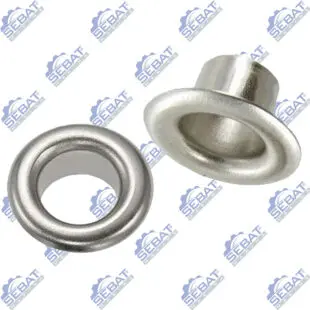
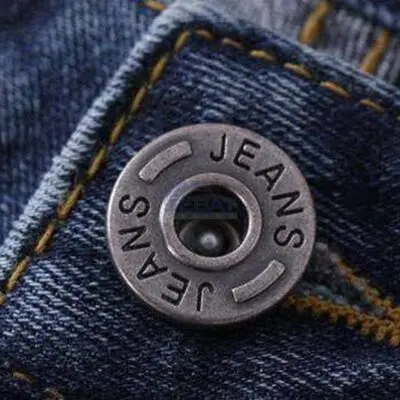
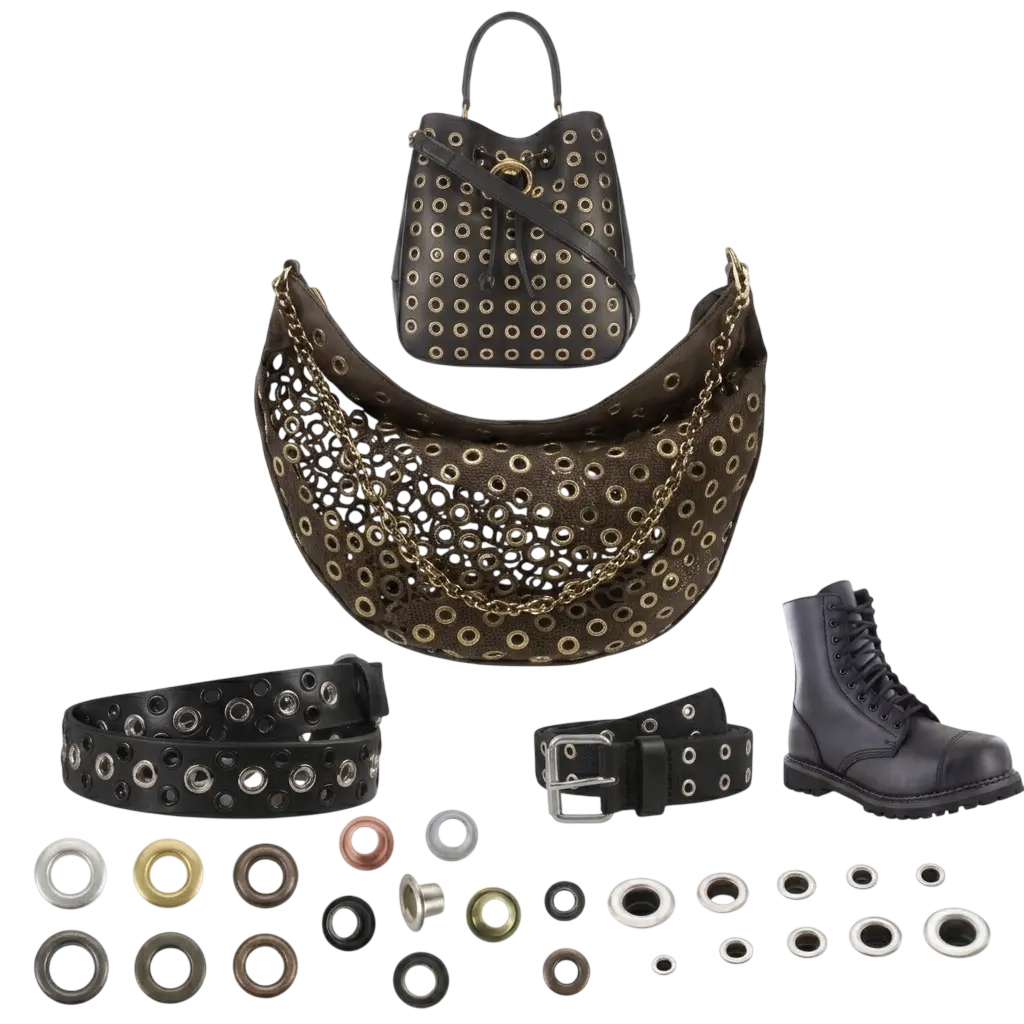
An eyelet is a type of accessory used to reinforce holes opened in fabric, leather, or similar surfaces by surrounding them with metal or plastic rings. It is generally circular in shape and allows materials such as laces, strings, or cords to pass through.
How Are Eyelet Products Applied?
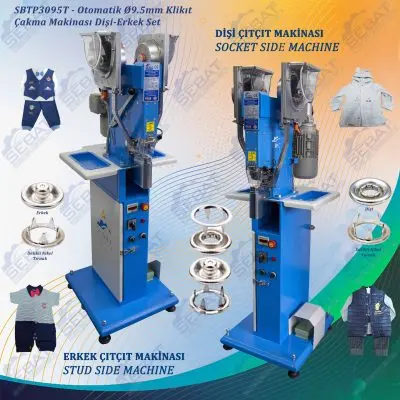
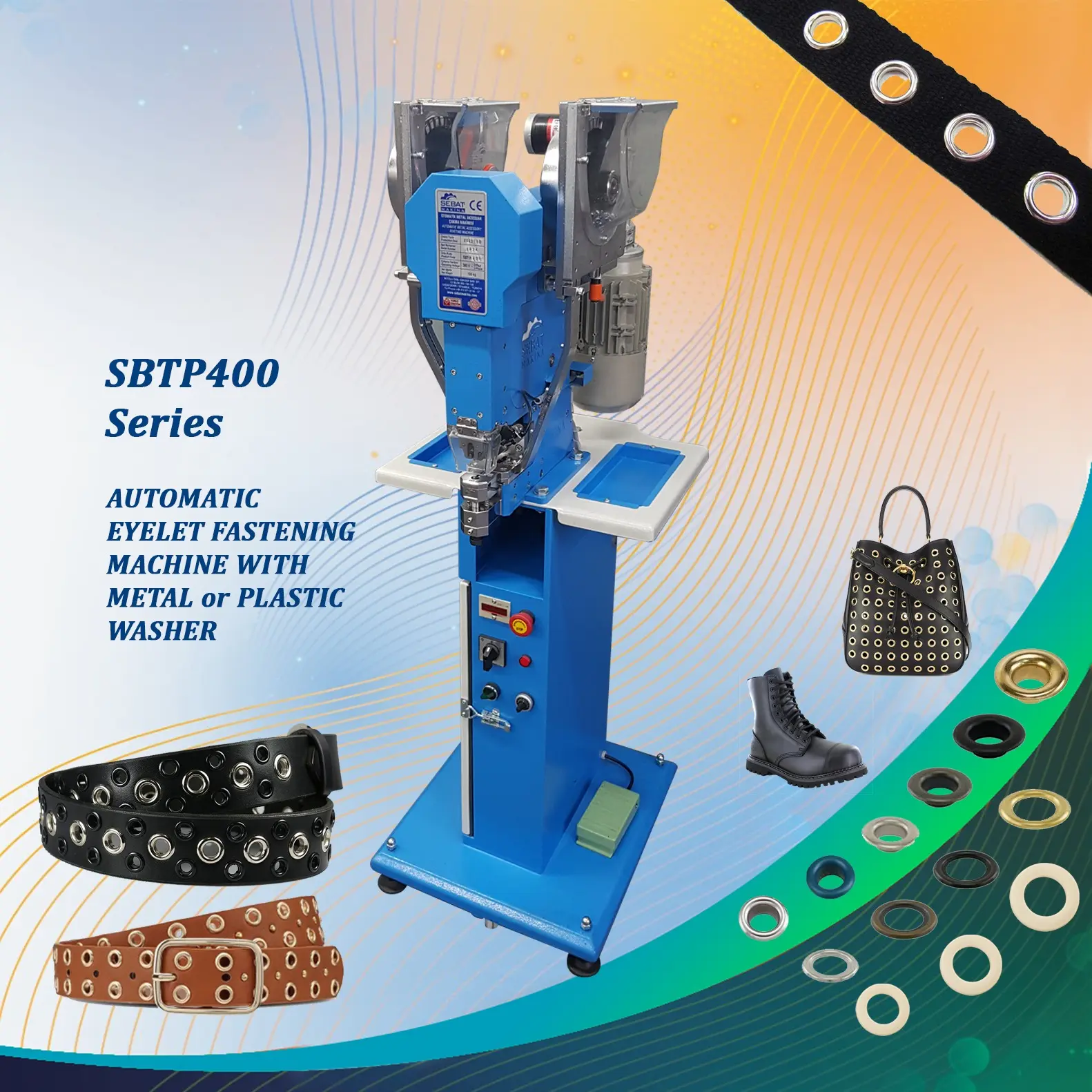
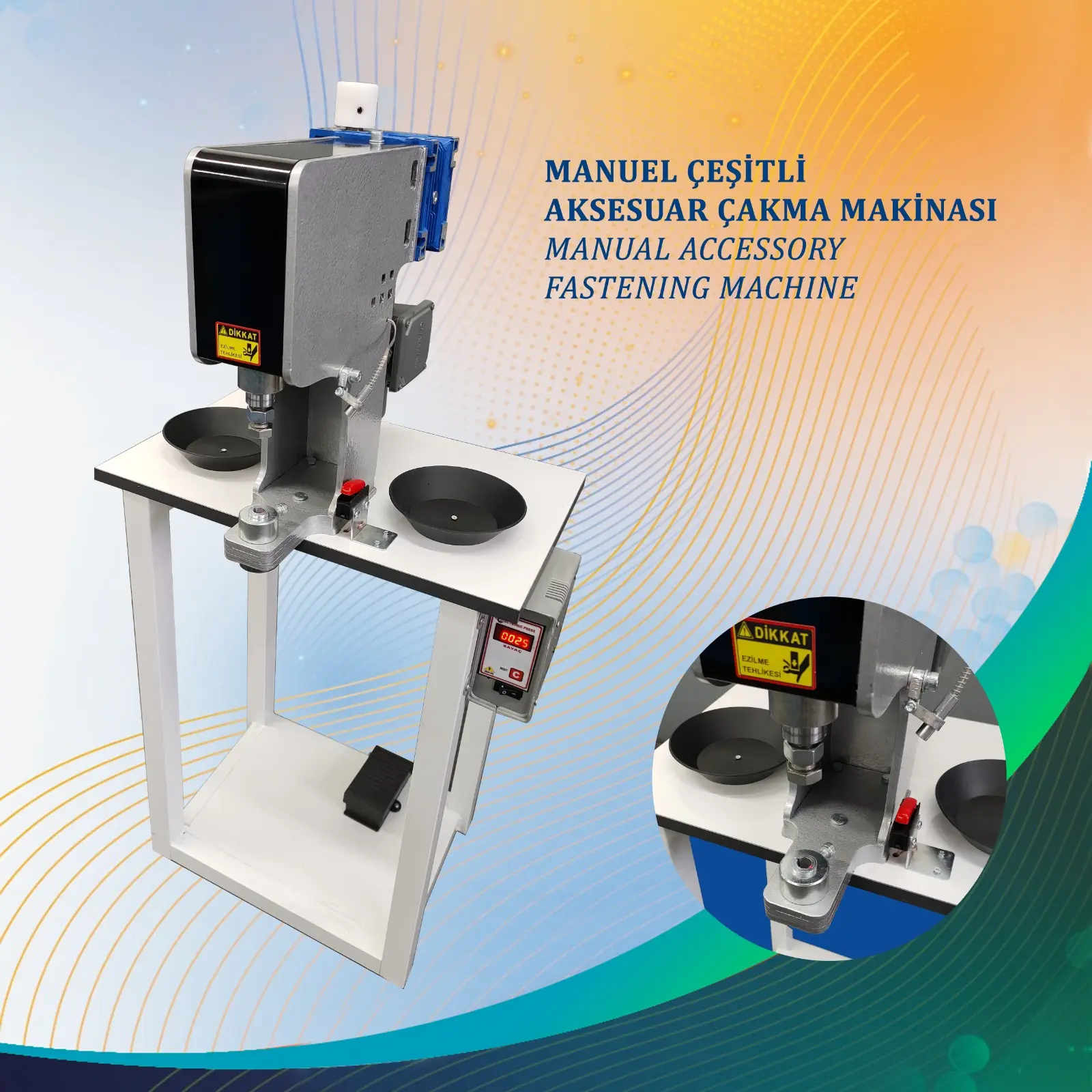
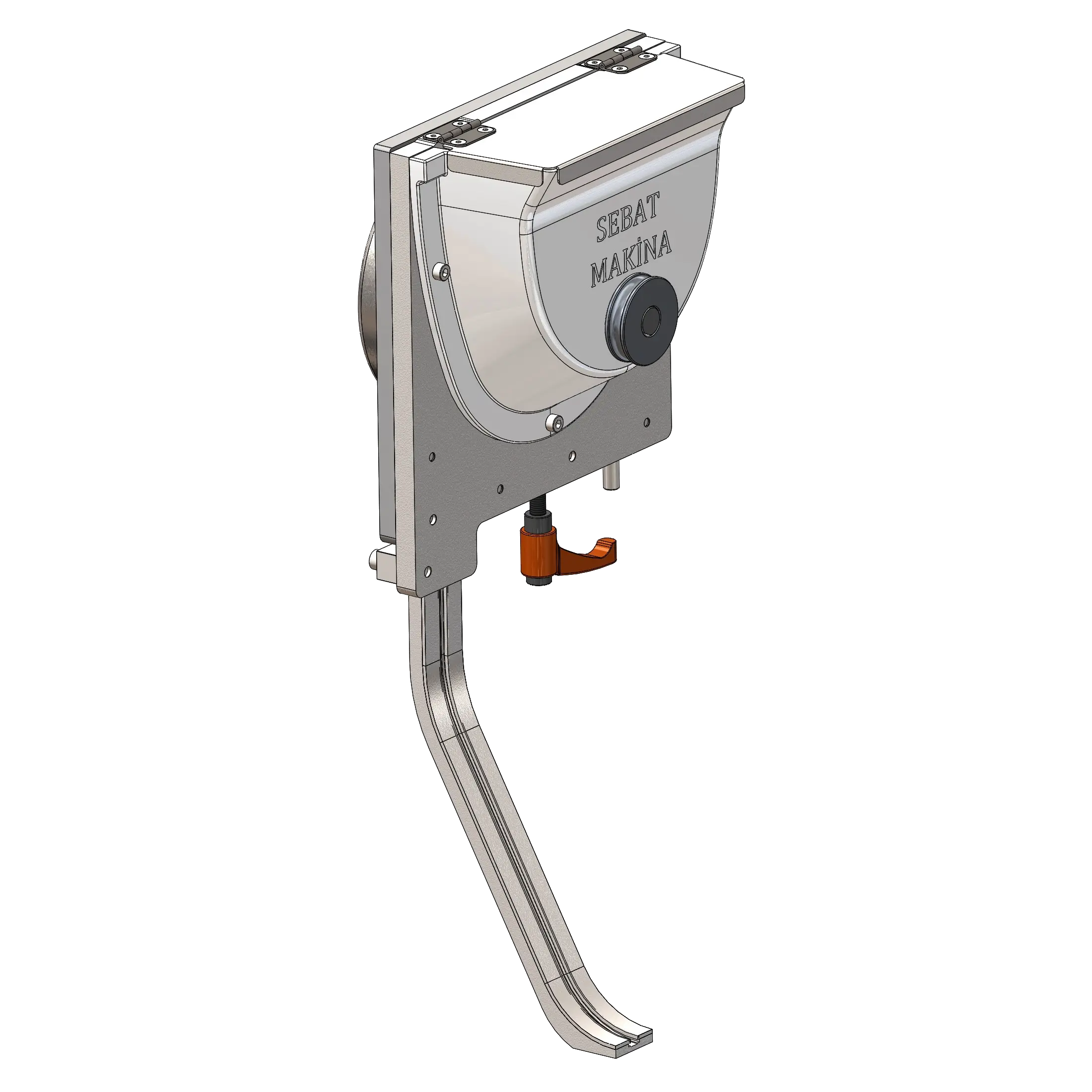
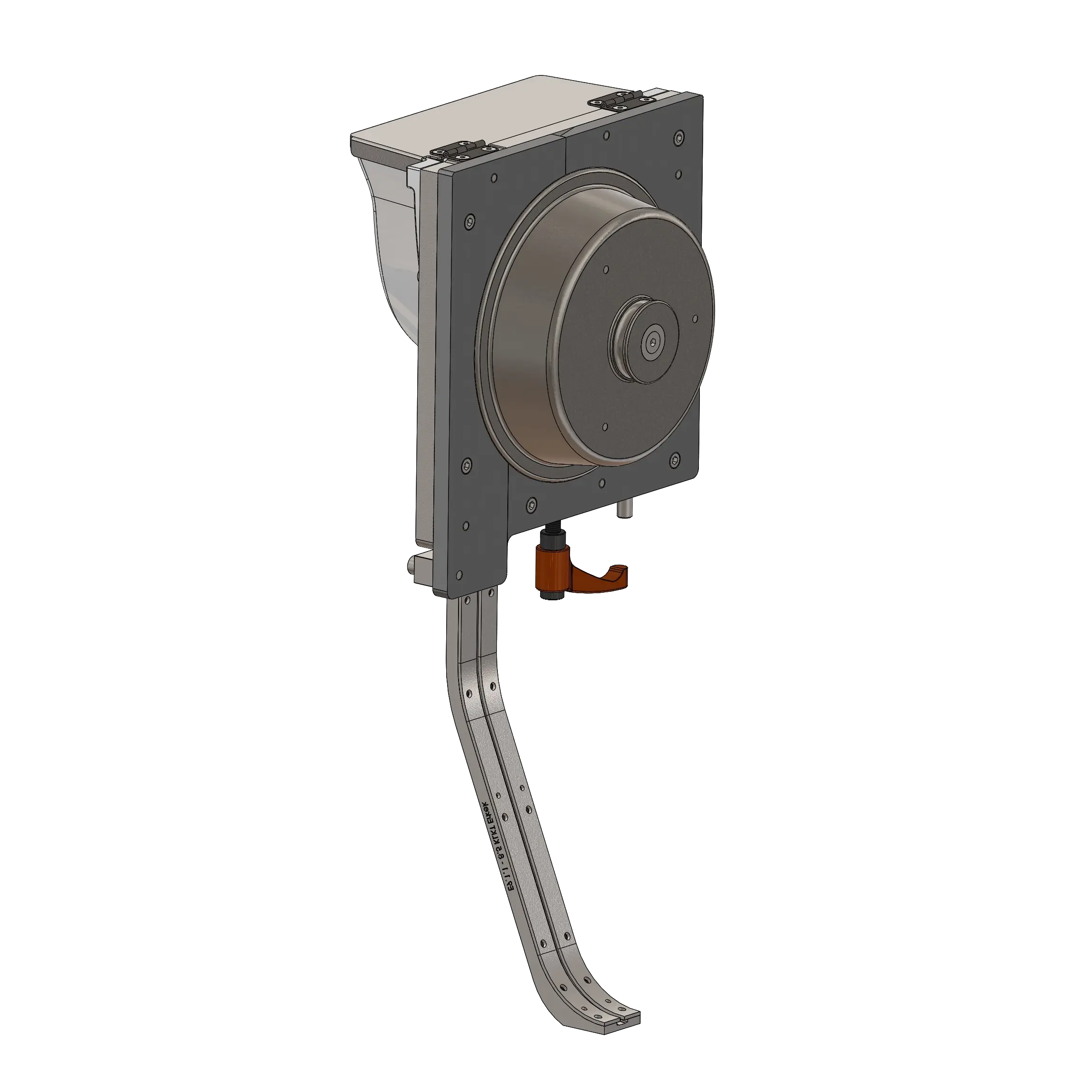
Eyelet products are attached to surfaces with the help of special machines. These machines generally follow the steps below:
- Hole Punching: A hole of the appropriate diameter is opened in the material.
- Eyelet Placement: The eyelet component is placed into the hole.
- Pressing / Attaching: The machine secures the eyelet to the surface and fastens it by folding its edges.
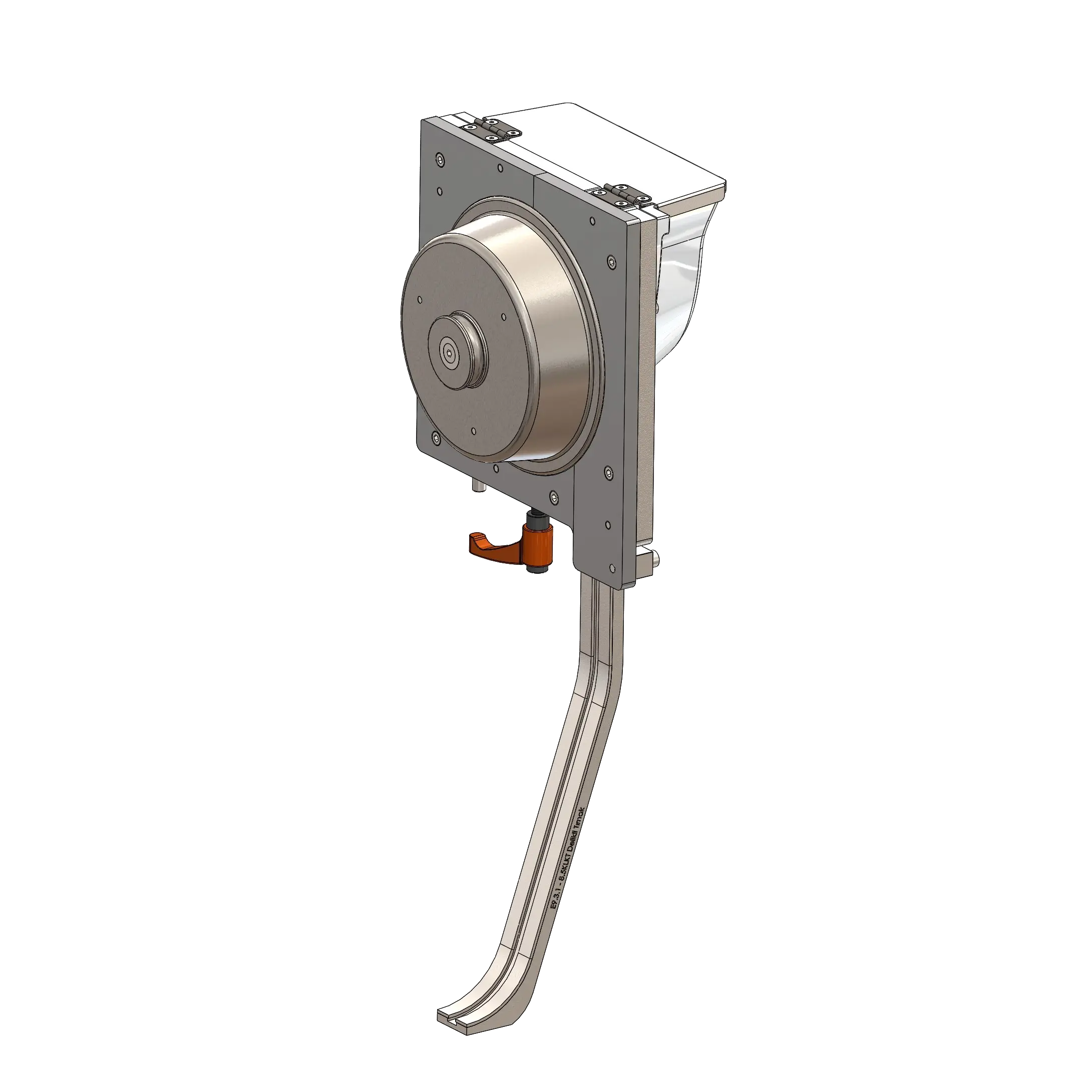
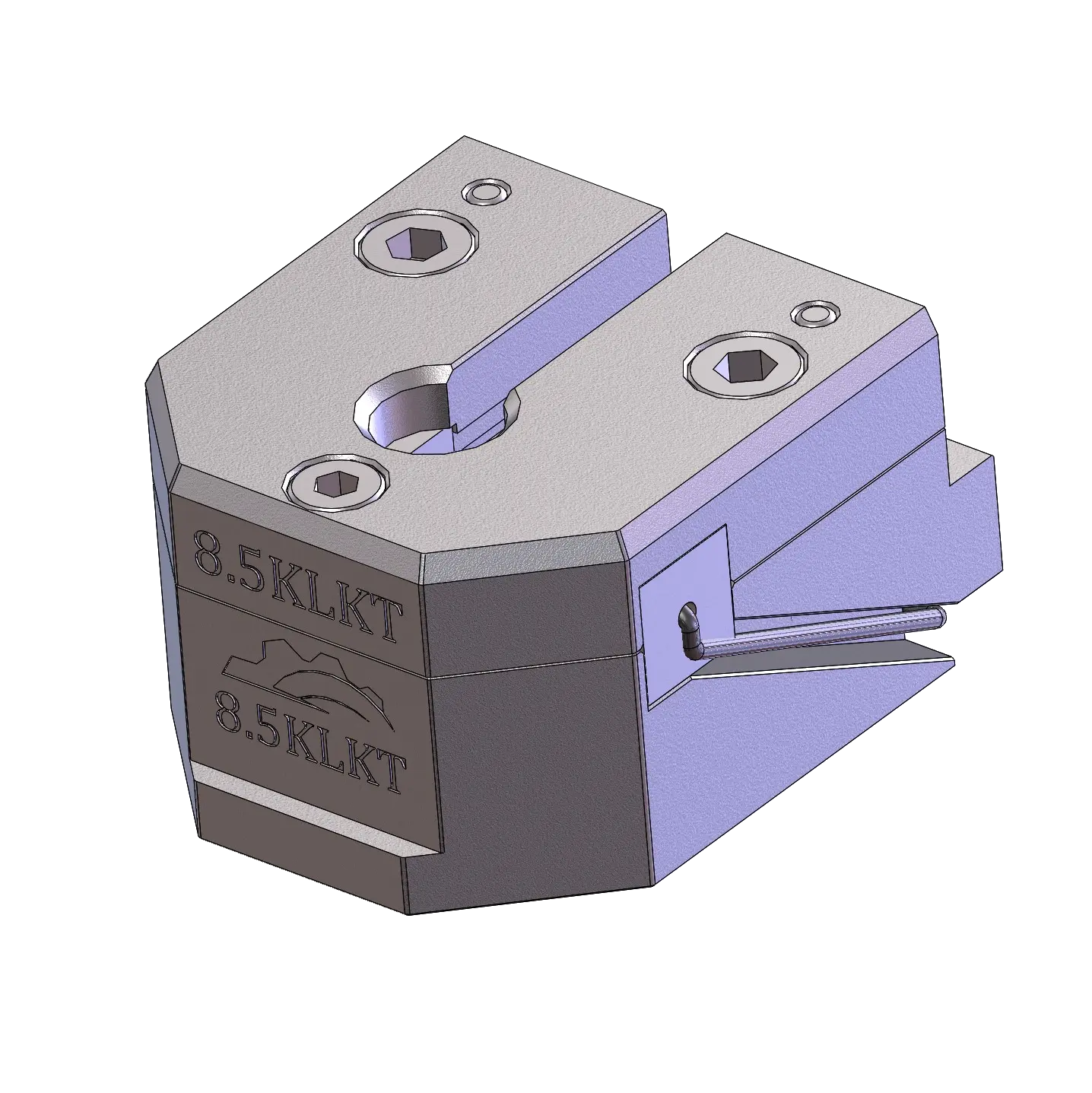
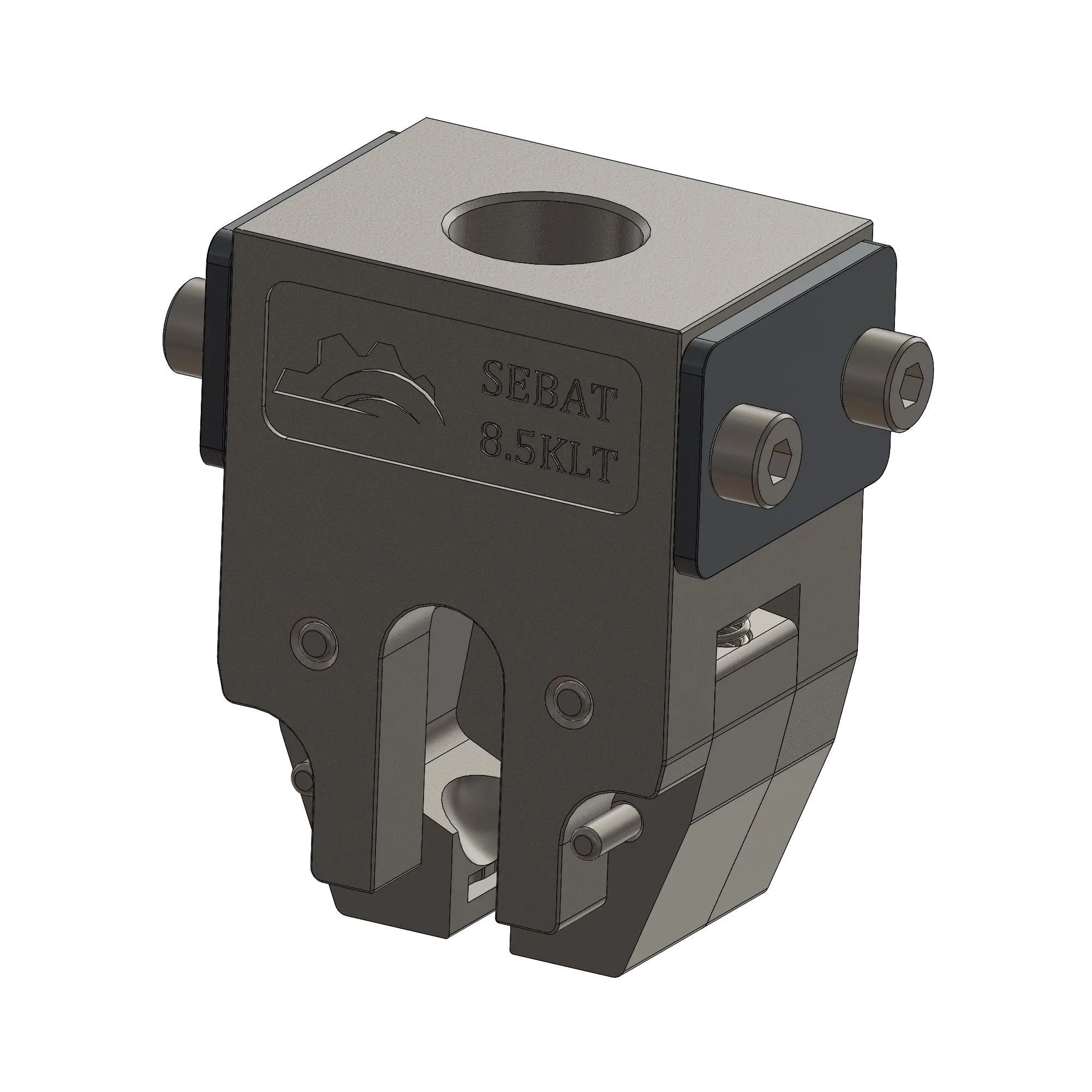
The eyelet attaching machines offered by Sebat Makina perform this process quickly and accurately.
Areas of Application
Eyelet products are used in a wide range of industries:
| Industry | Application Area |
|---|---|
| Textile | Coats, jackets, corsets, bags, hats |
| Footwear | Sports shoes, boots, lace-up models |
| Leather Products | Belts, wallets, gloves |
| Industrial | Tarpaulins, awnings, banners, protective covers |
| Promotional Products | Fabric bags, promotional products |
Advantages of Using Eyelets
- Durability: Helps prevent holes from tearing.
- Aesthetic Appearance: Gives products a professional and stylish look.
- Functionality: Makes it easier to pass laces, strings, or cords through.
- Variety: Contributes to design with different color, size, and material options.
What Are the Types of Eyelets?
Eyelet products are manufactured in different varieties according to their intended use, material type, and aesthetic preferences. The most common types of eyelets include metal eyelets, plastic eyelets, nickel-plated eyelets, brass eyelets, black oxide eyelets, and colored eyelets. Metal eyelets generally stand out for their durability, while plastic eyelets are preferred for promotional products due to their lightweight structure. Eyelets are also produced in different sizes, ranging from 3 mm to 20 mm in inner diameter, and are selected according to the design and function of the product. Some models may also feature serrated edges for extra grip or gasket details to provide water resistance.
Conclusion
Eyelet products are important details that improve production quality both visually and functionally. By choosing the right eyelet and using high-quality attaching machines, you can make a significant difference in your products.
At Sebat Makina, we provide industry-specific solutions with our domestic manufacturing expertise in eyelet attaching machines. For detailed information and product reviews, visit our website.