

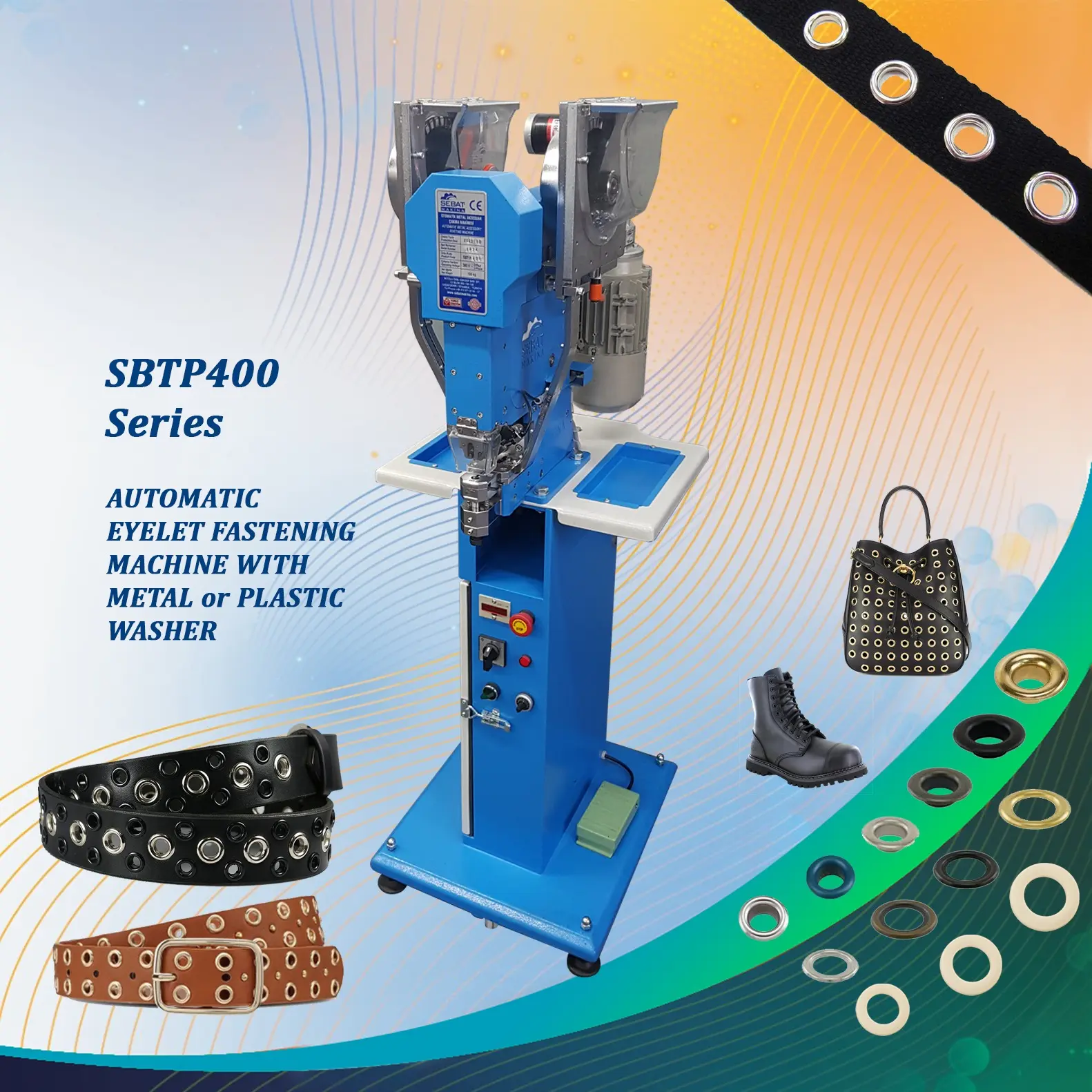
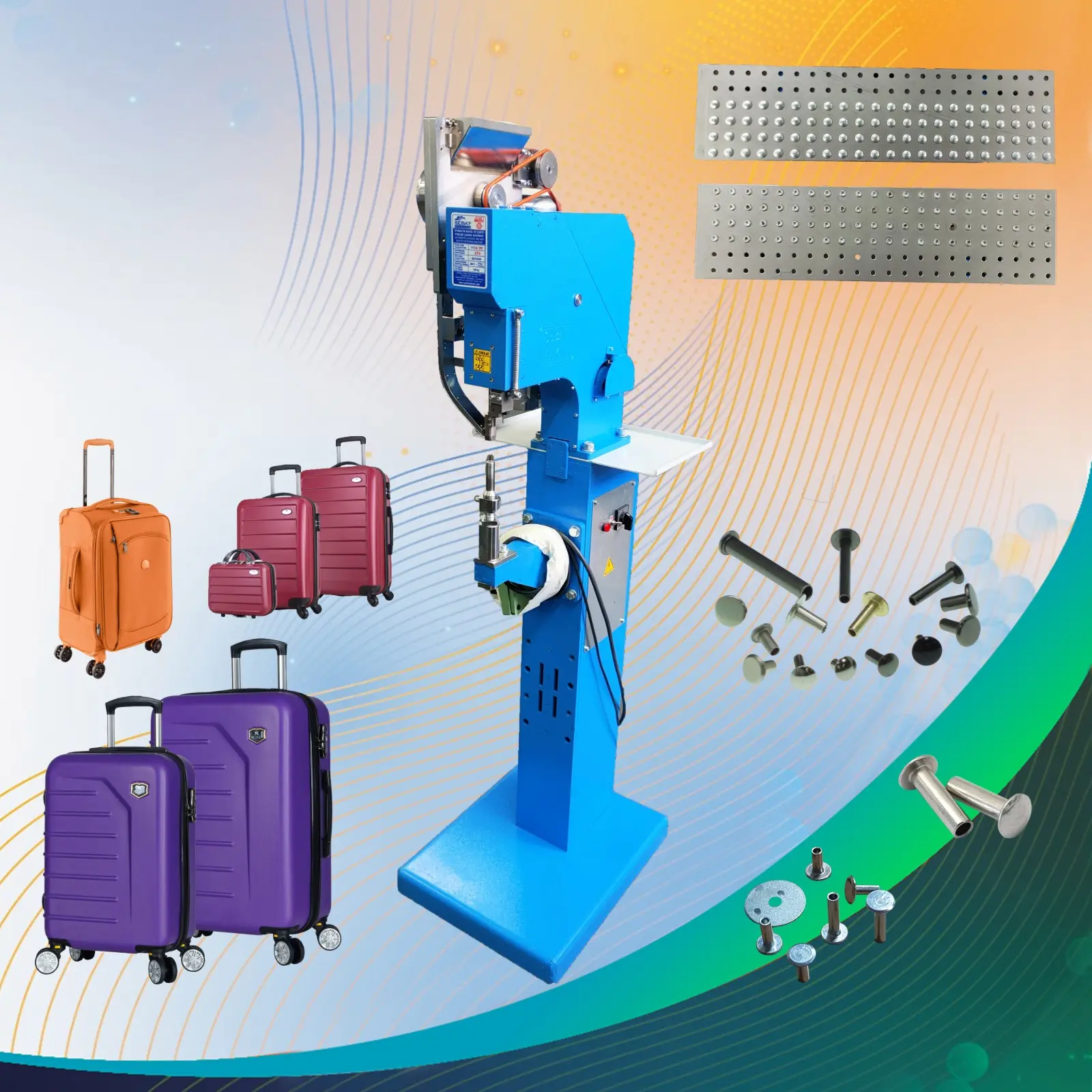
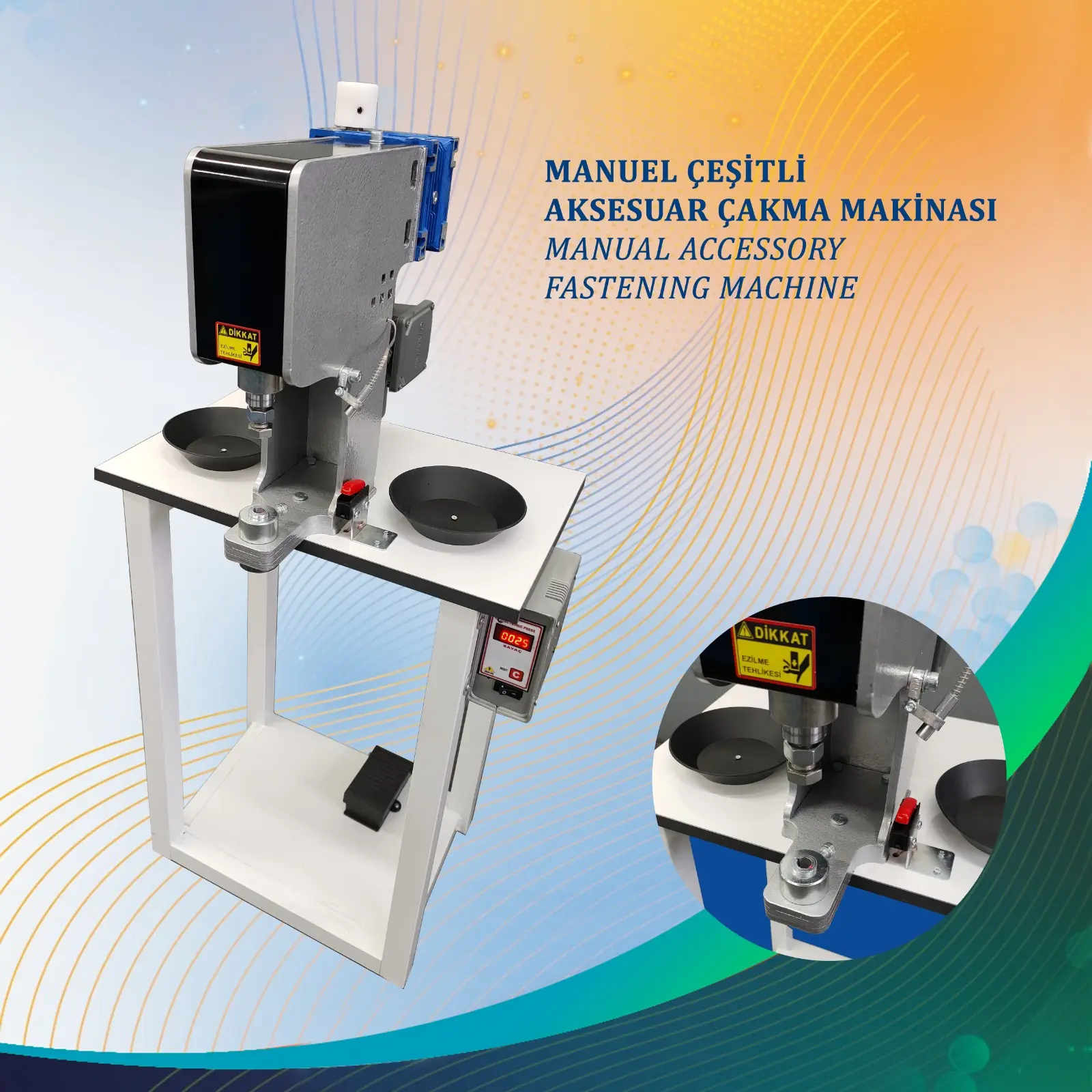


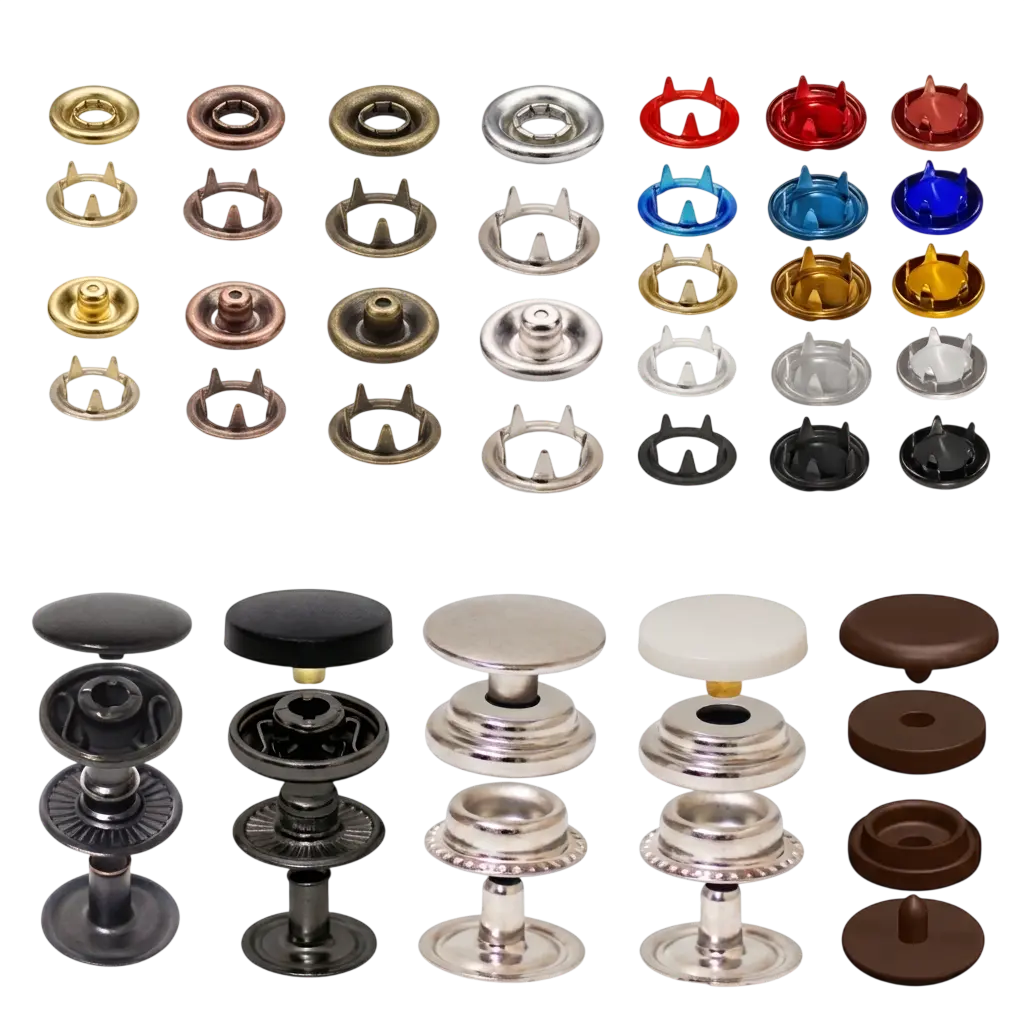
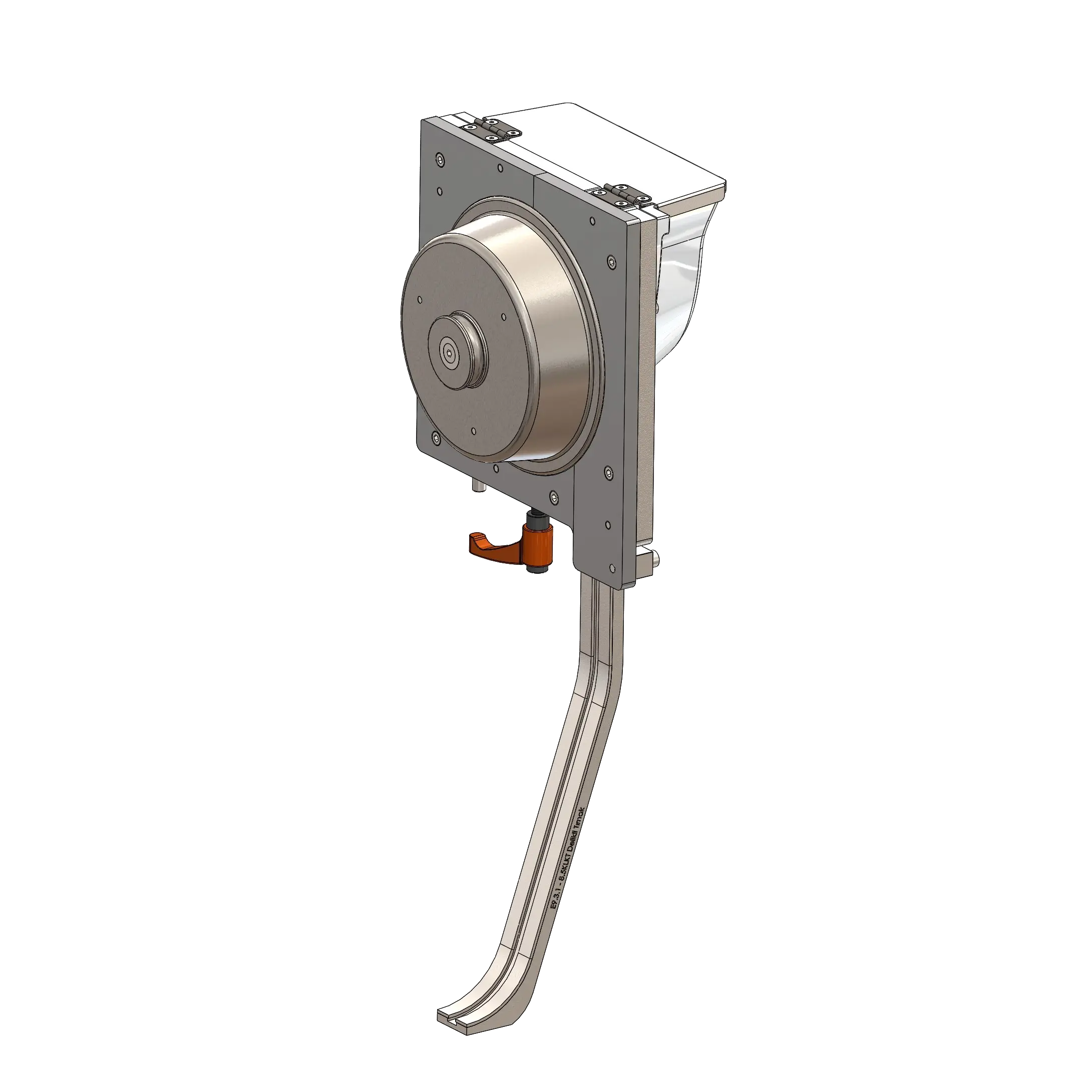
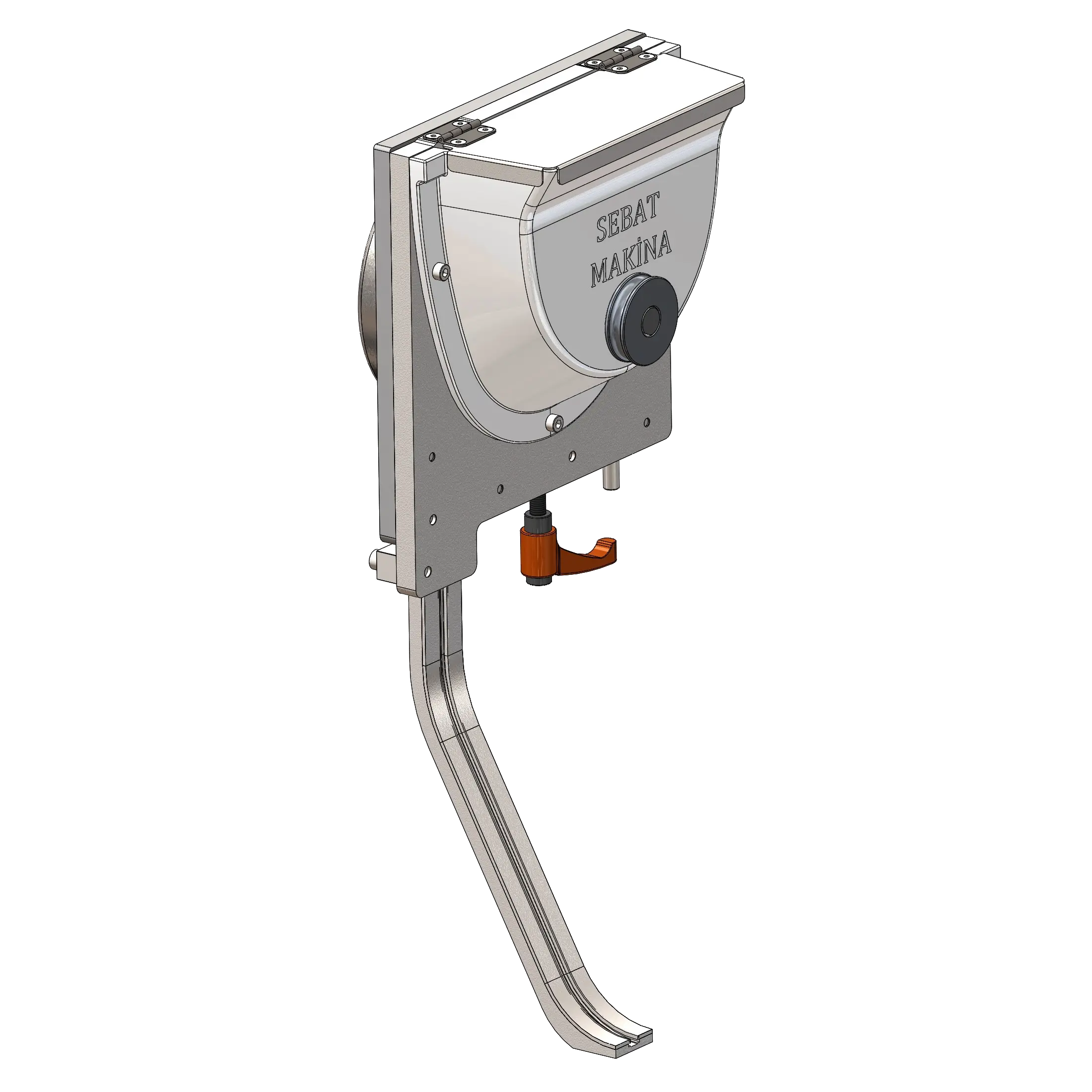
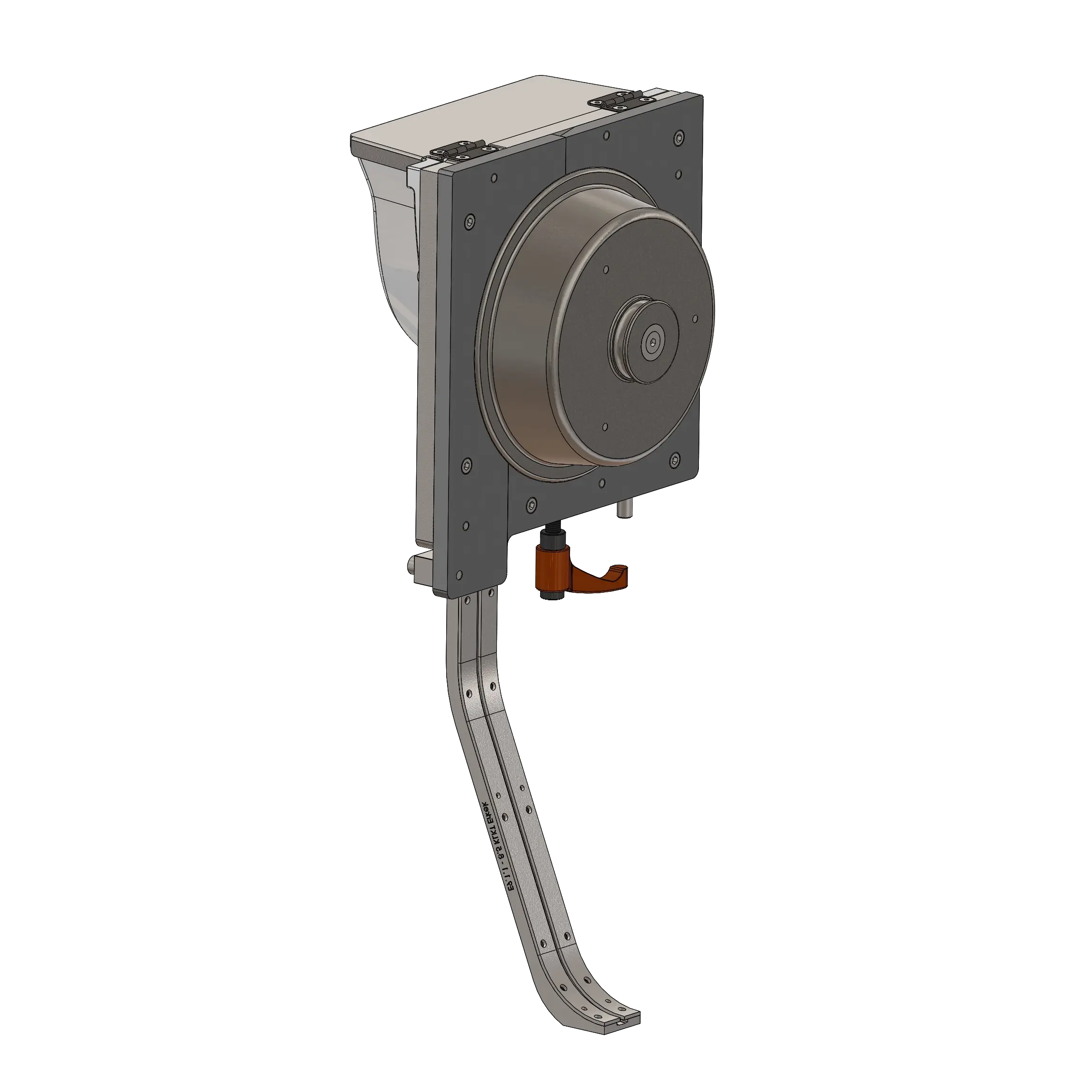
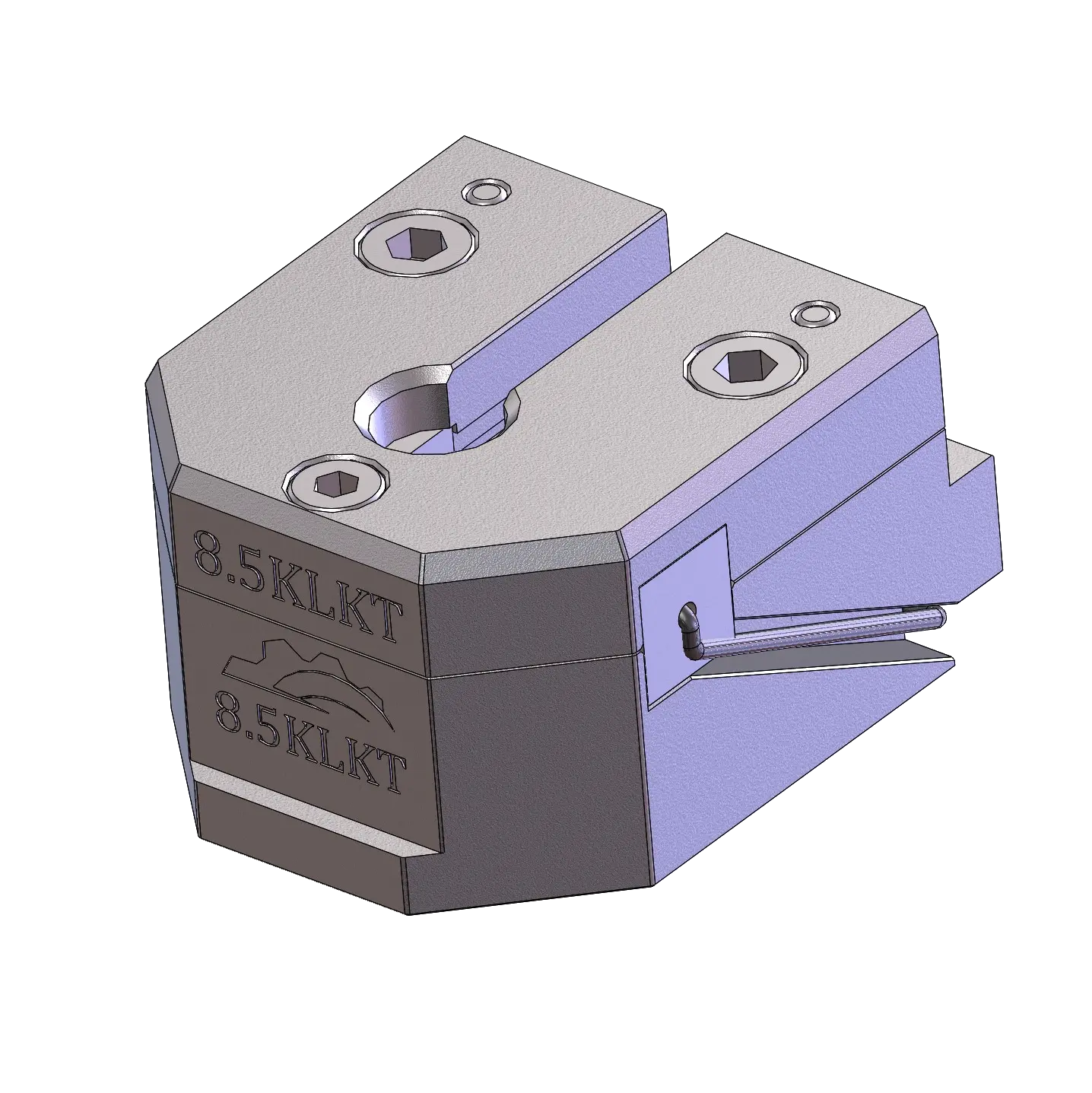





A rivet is a fastening element used to join two or more materials together. Unlike screws, the parts to be joined do not need to have threads, allowing even very thin materials to be joined using rivets. Structurally, a rivet is usually a cylindrical fastener with one pre-formed head, while the other head is formed during installation. This practical fastening method is used to securely join machine components in a permanent manner. Rivets are commonly preferred for joining materials such as steel, aluminum, iron, brass, and copper.
What Is a Rivet and Where Is It Used?
Rivets are extremely important for keeping the components of a mechanism securely together. Riveting is necessary for holding structures consisting of thousands or even millions of parts together. Although welding technology has advanced considerably, rivets are still widely and effectively used today.
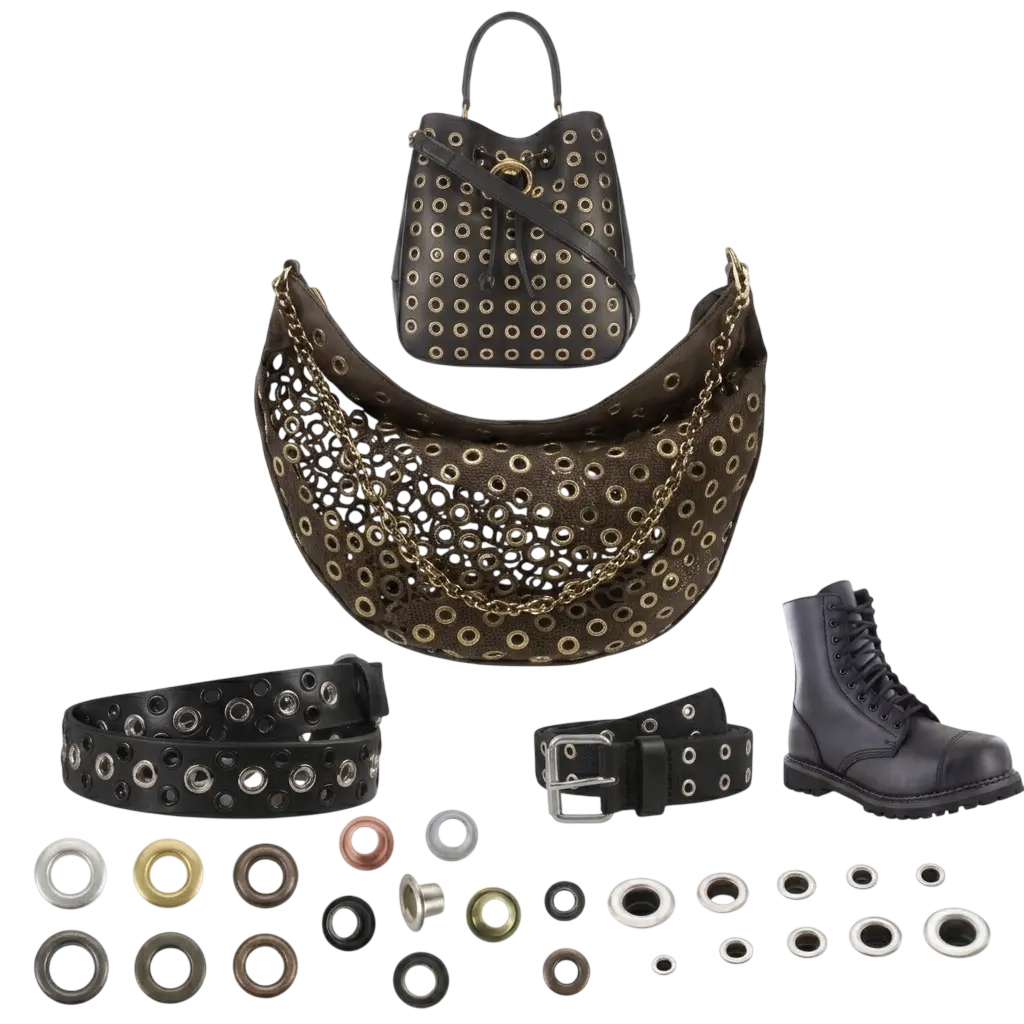
Rivets are used in many different fields and industries. They are widely used in industries such as construction, automotive, shipbuilding, and aviation. They are also used in furniture manufacturing, cookware production, the assembly of electronic devices, and even in the fashion industry.
History of Rivets
The history of rivets dates back to ancient times. The earliest rivets can be traced back to the period of the Egyptian Pharaohs. At that time, rivets were used to join stone blocks. During the Roman era, rivets were made from metals such as iron and bronze and were used in the construction of bridges, aqueducts, and other structures.
During the Middle Ages, the use of rivets became even more widespread. Rivets were used in the manufacture of swords and armor. With the Industrial Revolution, the use of rivets increased tremendously as riveting machines were developed to make work easier for workers on large-scale structures.
Today, rivets are still used for many different purposes. With technological advancements, their shapes and materials have also diversified. Pop rivets, for example, are designed for fast and secure use in industrial environments.
General Advantages of Using Rivets
Rivets offer many advantages. First of all, they can be applied more quickly and economically than other fastening methods such as screws or welding. In addition, rivets provide a more secure and durable connection between components.
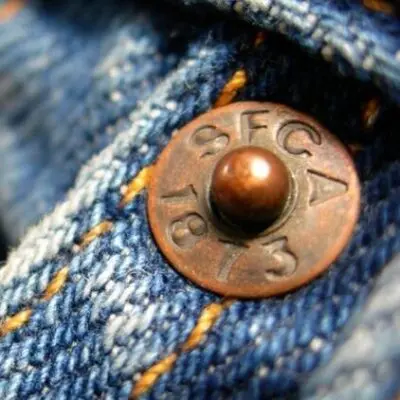
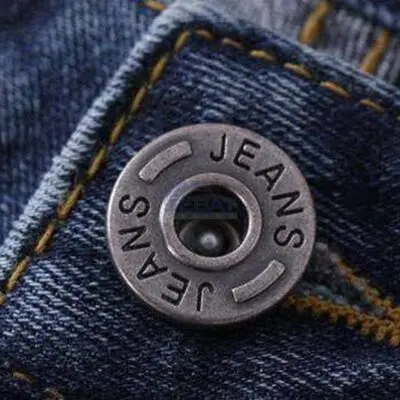
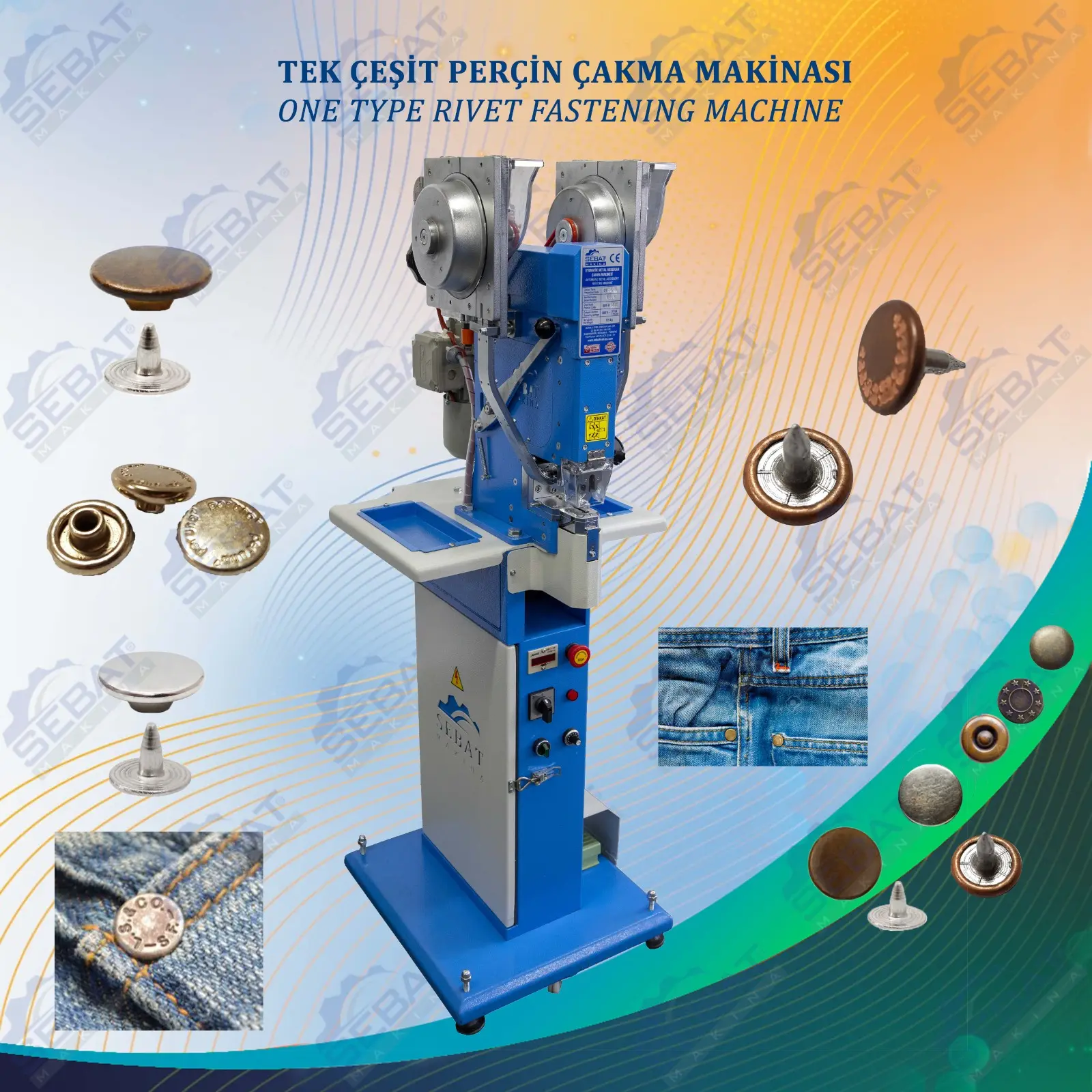
The use of rivets in textiles became widespread with the introduction of jeans into everyday life. Jeans rivets, also known as jean rivets, are indispensable components of denim garments.
Use of Rivets in Textiles and Jeans Rivets
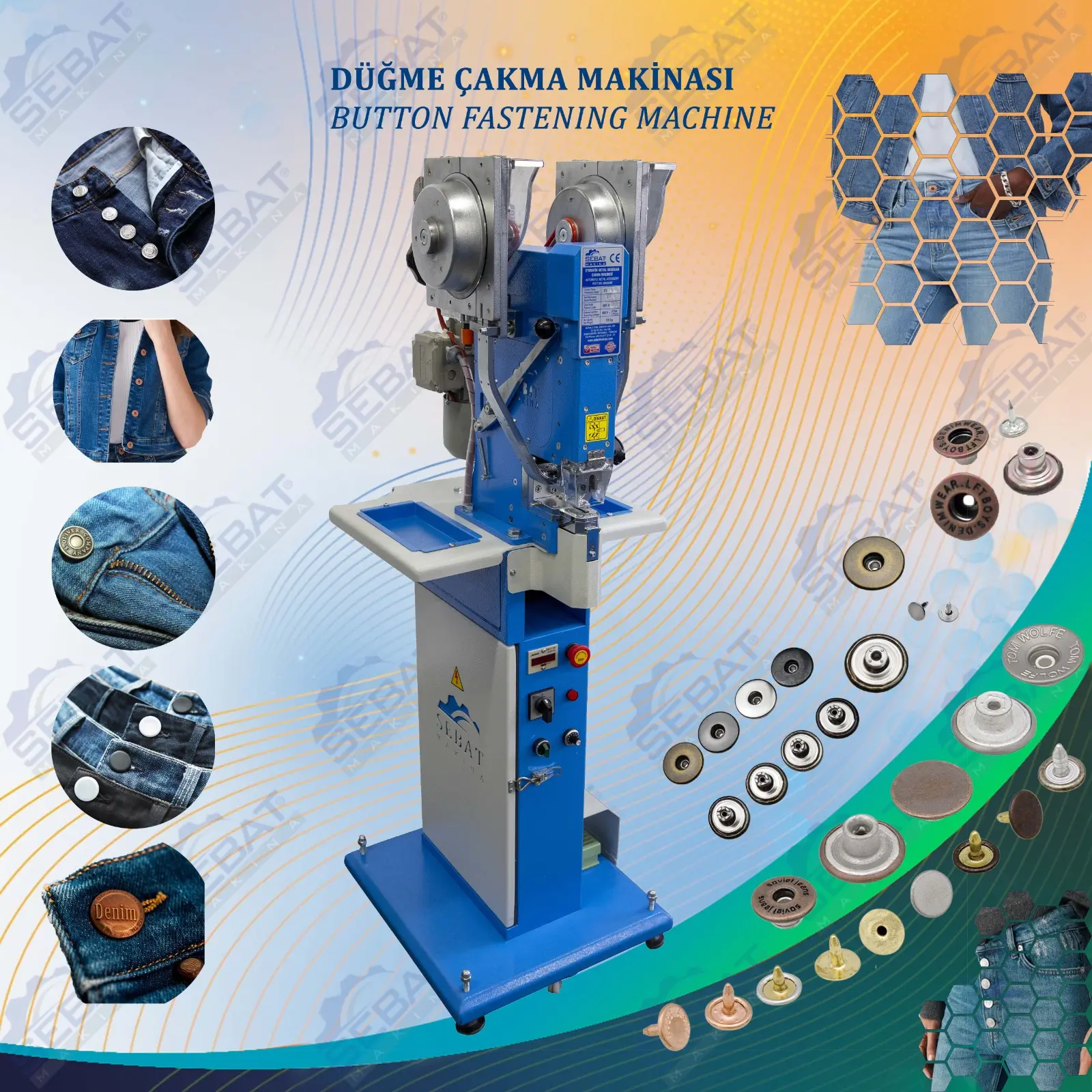
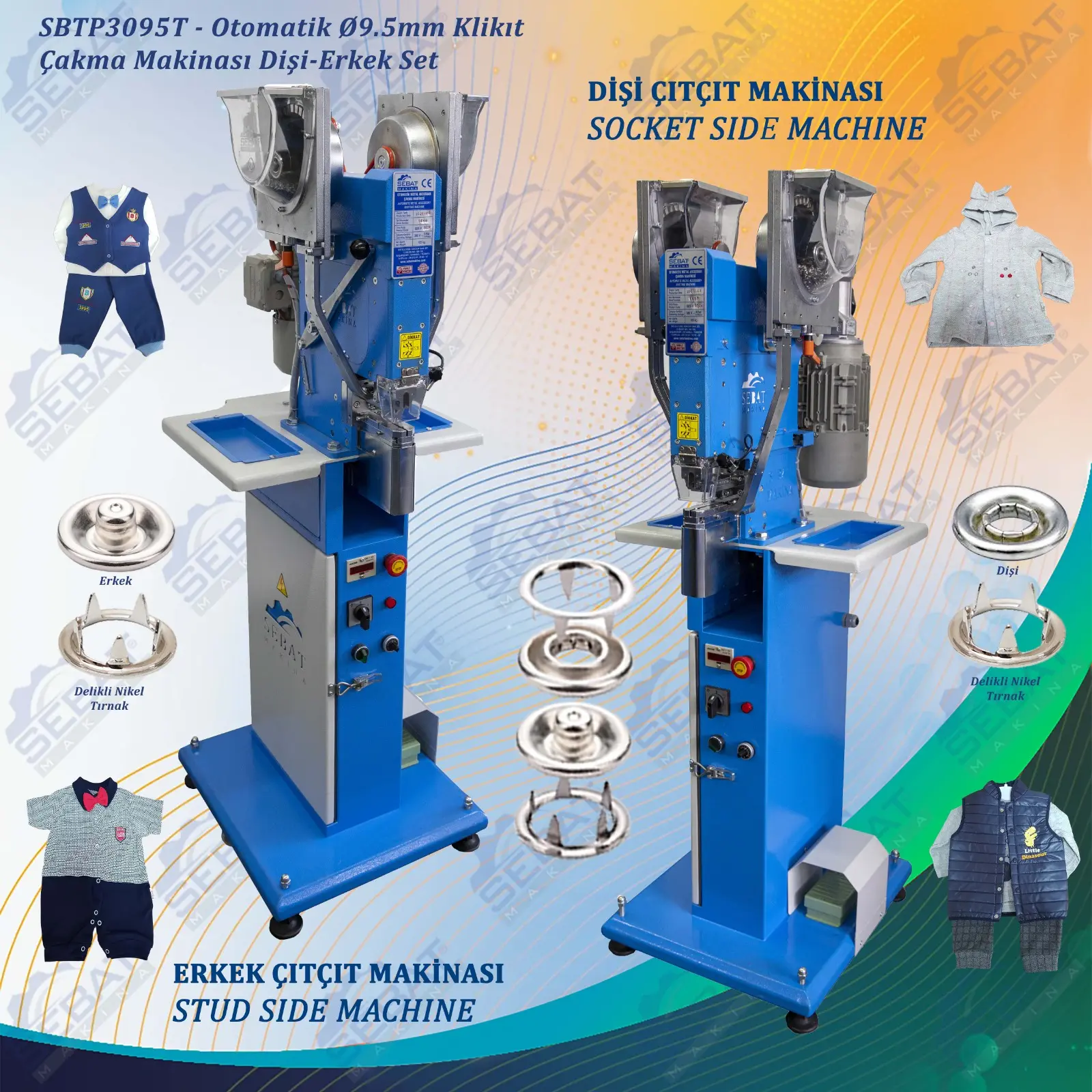
As a type of accessory, rivets are widely used in the textile industry, just as they are in many other industries. In textiles, rivets are used to hold materials such as fabric or leather together. These components are securely attached to the material using a suitable tool, allowing the materials to be firmly joined together.

Advantages of Using Rivets in Textiles
There are several important advantages to using rivets in textiles:
Strong Connection: Rivets provide a stronger and more durable connection compared to other methods such as stitching or adhesive bonding. This helps textile products last longer.
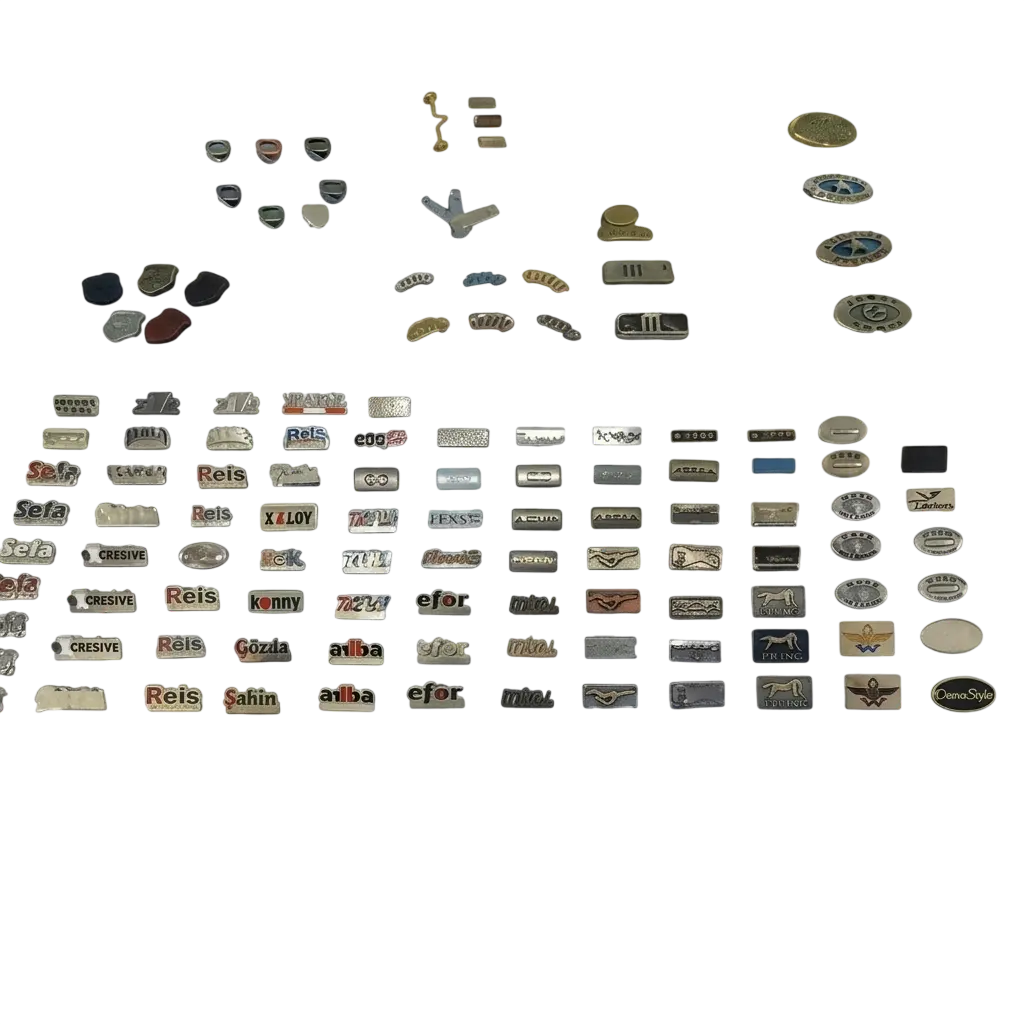
Aesthetic Flexibility: Rivets are available in various shapes, sizes, and colors. This provides designers and manufacturers with flexibility, making it possible to create striking and attractive details on textile products.
Jeans have become a staple of the fashion industry worldwide. They are no longer viewed solely as workwear; they have become a versatile and popular clothing choice for people of all ages and backgrounds. One of the key factors contributing to the popularity of jeans is their durability and long service life. Since they are designed to withstand wear and tear, jeans are a great investment for anyone looking for durable clothing. Different types of rivets used on jeans also add variety and an attractive appearance. Jeans rivets, or jean rivets, are among the essential accessories used in denim garments.


Rivets also speed up the assembly process of textile products. Compared to other methods such as stitching or adhesive bonding, they can be applied more quickly and easily. This helps manufacturers save both time and labor.
Disadvantages of Using Rivets in Textiles
- Limited Reusability: Once installed, rivets cannot be easily removed or reused. This may make the recycling process of textile products more difficult.
- Cost Factor: Rivets may create additional costs compared to some simpler fastening methods. A cost-benefit analysis is recommended before production.
Conclusion
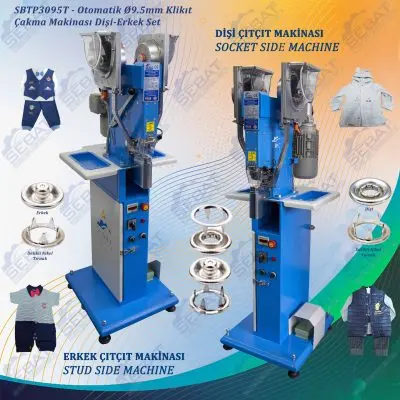
The use of rivets in textiles is an indispensable fastening method from both aesthetic and functional perspectives. These accessories provide strong, attractive, and fast assembly, and when combined with the right production tools and machines, they can significantly improve product quality. Textile manufacturers can achieve maximum efficiency in their production lines by selecting the most suitable rivet type and attaching system for their needs.